As an Amazon Associate we earn from qualifying purchases. This page may contain affiliate links.
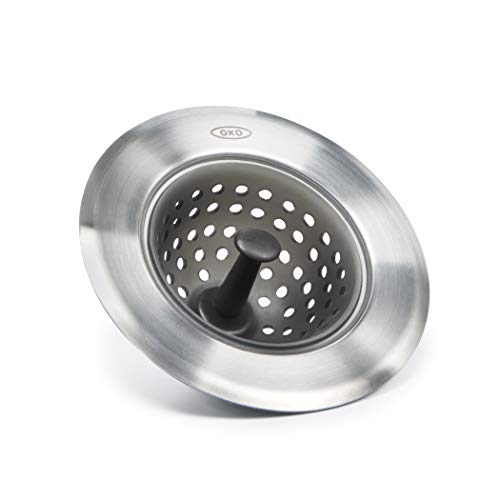
If you are replacing a drain strainer or outfitting a new kitchen sink, this list covers six common sink strainers for kitchen sink setups, from basic stainless baskets to flanges built for garbage disposals. The key buying factor is fit: the strainer has to match your drain opening, your sink material and whether you have a disposal, or it will leak, rattle or refuse to seat.
Quick picks
| Pick | Best for | Key feature |
|---|---|---|
| Kohler-style stainless basket strainer | Standard single-bowl or double-bowl stainless sinks | Standard 3-1/2 inch drain opening with a removable basket |
| Kraus-style stainless basket strainer | Budget replacements on a tight shopping list | Simple two-piece design with a basic rubber gasket |
| Franke-style deep basket strainer | Kitchens that handle bulky food scraps | Deeper basket that holds more debris before emptying |
| Composite sink basket strainer | Granite composite and quartz-composite sinks | Matte finish and gasket sized for composite bowls |
| Disposal flange strainer | Kitchens with a garbage disposal | Flange and stopper design that works with disposal inlets |
| Pop-up drain with strainer assembly | Sinks where you want a stopper and a strainer in one unit | Pop-up stopper with a built-in strainer basket |
How we chose
This list is based on research, not hands-on testing. We compared manufacturer specifications, brand reputation for sink accessories and patterns in owner feedback across common retail and review sources. We did not test these products ourselves, and the picks are not ranked by performance.
We used four criteria:
- Specifications. Drain opening size, strainer depth, gasket type, and whether the unit is compatible with a disposal flange or a standard tailpiece. Manufacturers usually state these in their product listings, and they are the first thing to check.
- Material and finish. Stainless steel, composite and other materials each have different corrosion and wear profiles. We favored options with clearly stated materials.
- Brand reputation. Established plumbing and sink brands have a track record of consistent sizing and replacement parts. We weighted those brands more heavily than unlabeled generic products.
- Owner feedback patterns. Owners often report the same issues again and again: leaks at the gasket, baskets that rattle, strainers that are too shallow, and mismatches with composite bowls. We looked for designs where those complaints were less common.
Because sinks and drains vary a lot, check the specifications against your own sink before you buy. The measuring and fit guides linked below will help.
Sink strainers for kitchen sink: the six picks
Kohler-style stainless basket strainer
Who it’s for: Homeowners with a standard stainless steel sink who want a straightforward replacement that matches the most common US drain size.
Pros
- Uses the standard 3-1/2 inch drain opening found on most kitchen sinks, which simplifies fit.
- Removable basket makes it easy to empty food debris without reaching into the drain.
- Stainless construction resists rust and stains better than basic painted or plated metal.
Cons
- Basic baskets can be shallow, so heavy scraps may fill them faster than you expect.
- Owners sometimes report that the gasket needs to be seated carefully to prevent a slow drip under the flange.
Kraus-style stainless basket strainer
Who it’s for: Budget-minded buyers replacing a worn strainer in a stainless sink, or outfitting a rental or secondary bathroom-style sink where a simple drain part is enough.
Pros
- Simple two-piece construction with few parts to lose or misalign.
- Typically sized for the standard 3-1/2 inch drain, so it fits most stainless single bowls.
- Lightweight design makes installation and removal quick for a basic repair.
Cons
- Thinner metal and a basic rubber gasket may not last as long under heavy daily use.
- Owners often mention that the basket can wobble slightly if the flange is not tightened evenly.
Franke-style deep basket strainer
Who it’s for: Households that cook often, generate a lot of vegetable peels or pasta, or want fewer trips to the trash with a deeper basket.
Pros
- Deeper basket holds more debris between emptying cycles than shallow designs.
- Sturdy construction and a secure flange help the unit sit firmly in the drain opening.
- Works well with a standard stainless or undermount sink where you want a clean, low-profile look.
Cons
- Deeper baskets reduce the clearance under the sink, which can be tight with a P-trap or tailpiece that sits low.
- Check the depth in the specifications before buying, because some owners report it does not fit shallow basin designs.
Composite sink basket strainer
Who it’s for: Owners of granite composite or quartz-composite sinks, where a metal strainer can scratch the bowl or fail to seal properly.
Pros
- Designed with a gasket and flange profile intended for composite bowls, which helps reduce leaks.
- Matte finish blends with composite sinks and hides minor water spots.
- Non-metal or coated construction lowers the chance of scratching the composite surface during installation.
Cons
- Fit is more specific to the sink brand and drain opening, so you need to confirm compatibility carefully.
- Owners sometimes report that cleaning around the basket takes more care to avoid staining or buildup in fine grooves.
Kohler-style disposal flange strainer
Who it’s for: Kitchens with a garbage disposal, where the strainer must fit the disposal inlet and still work as a drain stopper.
Pros
- Flange and stopper design is built for a disposal inlet, which is the main fit requirement in this category.
- Often includes a stopper that seals the sink for filling basin water.
- Replacing an old flange with a matched unit can solve slow drains caused by a worn or corroded connection.
Cons
- Disposal flanges are less forgiving of size mismatch, so confirm the sink and disposal model before purchase.
- Installation involves working under the sink and may require a plumber if the drain is corroded or hard to reach.
Delta-style pop-up drain with strainer assembly
Who it’s for: Owners who want a stopper that lifts and seals, plus a strainer basket, in one unit, often on a bathroom-style or utility sink with a standard pop-up design.
Pros
- Combines a pop-up stopper and strainer in one piece, which reduces the number of parts to install.
- Lets you fill the basin with water without losing debris to the drain.
- Many pop-up assemblies follow standard drain dimensions, which simplifies sourcing.
Cons
- Pop-up mechanisms can clog with hair and grease, which means periodic cleaning.
- Owners often report that the linkage must be adjusted carefully, or the stopper will not seal well.
Buying guide: what matters most in a sink strainer
Sink strainers look simple, but a poor match causes leaks, rattles and drain clogs. These are the factors to check before you buy.
1. Drain opening size
Most US kitchen sinks use a standard drain opening of about 3-1/2 inches. Measure the diameter of the opening from the inside of the bowl, not the hole in the sink deck. Some sinks, especially older or specialty models, use different sizes. Measuring first prevents a return trip. The guide on Measuring for a New Kitchen Faucet: Holes, Clearance, Fit walks through the same measurements in a broader context.
2. Strainer type: basket, flange or pop-up
A basket strainer is the most common choice. It catches food debris and lifts out for emptying. A disposal flange connects the sink to a garbage disposal and often includes a stopper. A pop-up assembly adds a stopper to the strainer. Choose based on how you use the sink. If you run a disposal, a basket-only strainer will not connect to the unit properly.
3. Sink material and finish
Stainless steel is widely used and works with most basket strainers. Composite sinks, including granite composite and quartz-composite models, need gaskets and finishes designed for their surfaces. Metal strainers can scratch some composite bowls, so match the strainer material to the sink. For finish options and how they wear over time, see Kitchen Faucet Finishes Compared: Looks, Care, Wear.
4. Depth and clearance under the sink
Basket depth affects how much debris the strainer holds. Deeper baskets hold more, but they reduce clearance under the sink. If you have a tight cabinet, a P-trap or a low-slung tailpiece, measure the space between the bottom of the sink and the trap before you choose a deep model.
5. Gasket and seal quality
Most leaks at the strainer come from the gasket or the flange seating. Look for a clearly stated gasket material and a flange that sits flat against the sink bottom. Owners often report that a gasket that is not seated evenly causes slow drips, so take time during installation. Tighten the locknut gradually and check for leaks by running water for a few minutes.
6. Compatibility with your existing drain parts
Strainers must connect to your tailpiece, trap and, if present, your disposal. Before ordering, identify your drain components and confirm that the new strainer uses the same thread or connection style. If you are also changing the faucet, check the sink hole configuration. The article on Sink Hole Configurations: Matching a Faucet to Your Sink explains how faucet and drain choices interact.
FAQ
What size sink strainer do I need?
Most US kitchen sinks use a standard drain opening of about 3-1/2 inches. Measure the inside diameter of the drain opening with a tape measure. If the opening is noticeably smaller or larger, or if your sink is a specialty shape, check the manufacturer specifications before buying. A strainer that is too small will not seal, and one that is too large will not seat properly.
Can I use a basket strainer with a garbage disposal?
A basic basket strainer does not connect to a garbage disposal. Disposals require a disposal flange, which connects the sink drain to the unit’s inlet. If you have a disposal, look for a flange or stopper-style strainer designed for it. Confirm the disposal model and sink drain size first, because the fit is more specific than with a basket.
How do I stop a sink strainer from leaking?
Most leaks come from the gasket or the flange not seating evenly. Remove the strainer, clean the drain opening, and check the gasket for cracks or flattening. Reinstall the strainer, tighten the locknut gradually and avoid overtightening, which can crack plastic components or deform the gasket. Run water for several minutes and check the joints under the sink. If the leak continues, a licensed plumber can check the drain connections for corrosion or misalignment.
How often should I clean or replace a sink strainer?
Empty the basket after each meal or whenever it is visibly full. Clean the strainer weekly with hot water and mild dish soap, and check the gasket for wear. Replace the strainer if the basket is cracked, the gasket is hardened or the flange no longer seals. For broader cleaning and drain care, see Kitchen Faucet Maintenance: Cleaning, Leaks and Aerators.