
Faucet Kitchen Wall Mount: What to Know Before You Buy or Install
Learn how a faucet kitchen wall mount works, what to check before buying, and how to plan clearance, rough-in and fit for a clean installation.
Some links on this site are affiliate links. When you buy through them, we may earn a commission at no extra cost to you. As an Amazon Associate I earn from qualifying purchases. Learn more ›
Wall-mounted kitchen faucets and pot fillers: how they differ from deck-mount faucets and when they make sense.
Wall-mount faucets mount directly to the wall behind the sink rather than to the countdeck, which frees up counter space and suits sinks set into a backsplash, commercial prep areas, and some compact or farmhouse layouts. Choosing one starts with measuring: confirm the distance from the wall to the sink's center, the height needed to clear your sink bowl and any tall pots, and whether you have solid wall framing or backing where the mounting bracket will attach. Next, decide between a standard wall-mount design and a commercial-style model with a pull-down or pull-out spray, since spray function and spout reach affect daily use. Finally, consider plumbing: wall-mount installs usually require exposed or in-wall supply lines, so check whether you need a plumber or are comfortable running new lines and sealing the wall. Compatibility with your existing valve configuration, the finish you want, and the availability of replacement cartridges and parts are all worth comparing before you buy. Read the general guides first, as they cover the choosing criteria and installation basics. Then move to the product-focused comparisons to see how specific options stack up for your needs.
Usually yes, since the supply lines have to come through the wall rather than the sink deck. Many installs require opening the wall or using exposed lines, so plan for some plumbing work.
The mounting bracket needs to anchor into solid framing or blocking, not just drywall. Check the wall with a stud finder and consider adding backing before installation if needed.
Start with the general guide on what to know before buying or installing, so you understand the criteria. Then use the product comparisons to narrow down specific models.
Learn how a faucet kitchen wall mount works, what to check before buying, and how to plan clearance, rough-in and fit for a clean installation.
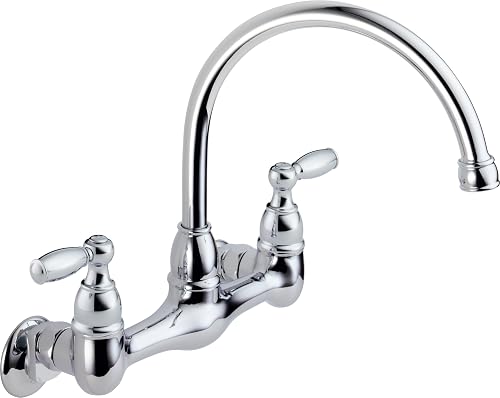
Compare the best wall mount kitchen sink faucet options by spout reach, handle style, and fit. Find the right wall mount faucet for your sink setup.

Compare 4 Delta wall mounted tub faucets by style, finish and fit. See which model suits your bathroom, rough-in plans and daily use before you buy.

What wall-mount kitchen faucets require: supply lines inside the wall, rough-in before the wall is finished, spout reach over the sink and freeze risk.