 By Claire Whitaker
Updated November 2026
Choosing a kitchen sink by size comes down to three measurements: the cabinet opening, the bowl dimensions and the depth you need for your daily work. Once you know your cabinet width, you can narrow the field to a handful of standard sizes. This guide walks through how to measure, which sizes are common, and how to match a sink to the way you cook and clean.
Why Sink Size Matters More Than It Seems
A sink that is too small makes it hard to rinse a stockpot or fit a sheet pan, and a sink that is too large can leave you with no counter space beside it. The size of a kitchen sink also affects how much water you use per fill, how easily you can reach the bottom of the bowl, and whether the sink will physically drop into your countertop opening. Getting the size right before you order saves a return trip to the store and avoids cutting into a cabinet that cannot be undone.
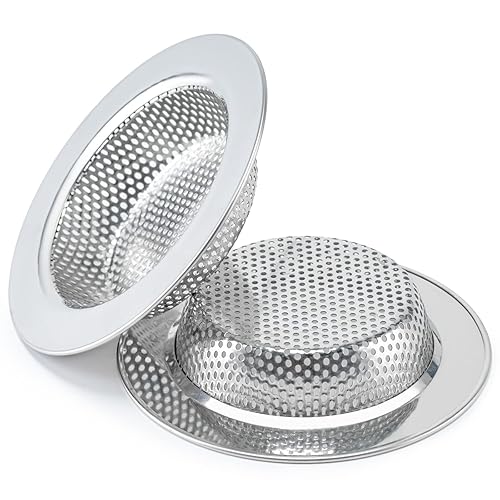
Shopping for one? See our guide: 6 Best Sink Strainers for Kitchen Sink (2026): Expert Picks.
Step 1: Measure Your Sink Base Cabinet
Start with the cabinet, because it sets the outer limit. Most standard kitchen sinks are designed to fit a base cabinet of a specific width, and manufacturers usually list that number as the required cabinet size.
- Open the cabinet doors and measure the interior width from the inside of one side panel to the other at the top, where the sink rim will rest.
- Measure the interior depth from the front edge of the cabinet to the back wall.
- Check for drawers, plumbing or a garbage disposal bracket that might limit usable space.
- Write down the smallest number you find, because that is the true limit.
Most kitchens use a 36-inch base cabinet for a single sink or a 33-inch cabinet for a standard double sink, but older or custom kitchens vary. Measure yours rather than assuming.
Step 2: Understand Standard Sink Sizes
Kitchen sinks are sold by overall width (the outside rim dimension), bowl dimensions and depth. These are the most common configurations you will see listed on manufacturer spec sheets.
| Sink Type | Typical Overall Width | Typical Bowl Depth | Common Cabinet Fit |
|---|---|---|---|
| Small single bowl | 18 to 24 inches | 7 to 9 inches | 18 to 24 inch base |
| Standard single bowl | 25 to 33 inches | 8 to 10 inches | 30 to 36 inch base |
| Large single bowl | 30 to 36 inches | 9 to 11 inches | 36 inch base |
| Standard double bowl | 30 to 33 inches | 7 to 9 inches | 33 inch base |
| Farmhouse or apron front | 30 to 36 inches | 8 to 10 inches | 36 inch base, with front overhang |
These ranges are general. Always check the exact dimensions on the product page, since two sinks with the same overall width can have very different bowl sizes.
Step 3: Pick Between Single and Double Bowls
The bowl count changes the effective size of the sink more than the overall width does. A 33-inch double bowl often gives you two bowls of roughly 14 to 15 inches wide each, which can feel cramped for large pots. A 33-inch single bowl can give you one bowl of 25 inches or more, which handles sheet pans and cutting boards with room to spare.
When a Single Bowl Works Best
- You wash large cookware by hand regularly.
- You have limited cabinet width and want maximum bowl space in one basin.
- You rarely run two tasks at once, such as rinsing produce while soaking dishes.
When a Double Bowl Works Best
- You want to wash in one bowl while rinsing in the other.
- You use a dishwasher and mainly need a prep and rinse basin.
- You prefer to soak items in one side without blocking the other.
Step 4: Check Depth and Bowl Dimensions
Depth affects splashing and reach. Deeper bowls, around 9 to 11 inches, hold more water and fit tall stockpots, but they can be harder on your back if you bend often. Shallower bowls, around 7 to 8 inches, are easier to reach and drain faster but can splash more when you scrub.
When comparing sinks, look at the bowl’s interior length and width, not only the outside rim. A bowl that is 16 inches wide inside may need a rack or a larger faucet reach to clean comfortably.
Step 5: Confirm Fit for Your Countertop and Mounting Style
Size also depends on how the sink mounts. A top-mount (drop-in) sink rests on the counter rim, so you need the exact cutout dimensions your countertop installer will use. An undermount sink attaches below the counter, which typically gives a cleaner look but requires solid countertop material such as granite, quartz or solid surface.
Apron-front or farmhouse sinks extend past the cabinet face, so they need a base cabinet sized to support the front panel and often a custom or specially built cabinet. Confirm the overhang and cabinet depth before ordering.
Tools You Will Need for Measuring
- A metal tape measure, at least 16 feet long.
- A level, to check that your countertop cutout is square.
- A notepad or phone to record each measurement with its location.
- A flashlight, for checking the back of deep cabinets.
Common Mistakes When Choosing a Sink by Size
- Measuring only the overall width. Two sinks with identical outside widths can have bowls that differ by several inches.
- Forgetting the faucet and cabinet hardware. Deck plates, sprayers and soap dispensers need clearance behind the sink.
- Ignoring the drain location. Off-center drains can interfere with a garbage disposal or a tight cabinet back.
- Trusting a cutout template without checking it. Compare the template to your sink’s spec sheet before cutting stone.
- Buying the largest sink that fits. A very large bowl can use more water and be harder to clean around.
Tips for a Better Fit
- Take measurements at three points across the cabinet top and use the smallest figure.
- Bring a paper template or cardboard mockup to the store to test clearance.
- If you wash large pots often, prioritize bowl length over overall width.
- Ask your installer to confirm the cutout before fabrication begins.
- For a clear look at how faucet choice interacts with sink layout, read Choosing a Kitchen Faucet by How You Use Your Sink.
Keeping Your Sink Looking Good After Installation
Once your sink is in place, routine care keeps the finish looking new. Stainless steel in particular benefits from regular polishing. If you are maintaining a stainless basin, How to Polish Stainless Steel Kitchen Sink in 5 Steps explains the process. For everyday cleaning across different materials, How to Clean a Kitchen Sink: 5 Steps for Stainless and Porcelain covers the basics. If drainage slows over time, How to Unclog a Kitchen Sink: 6 Methods That Work Fast offers quick fixes.
Recommended gear
These items help with measuring and maintaining a new sink.
- A rigid metal tape measure. A wide, stiff blade stays straight across a cabinet opening, which makes single-person measuring far more accurate. View on Amazon
- A torpedo level. A short level helps you confirm that a sink cutout or mounting rail is square before you commit. View on Amazon
- A stainless steel polish. Useful once your sink is installed and you want to keep a brushed finish looking uniform. View on Amazon
FAQ
What is the most common kitchen sink size?
A 33-inch double bowl sink is one of the most common configurations because it fits a standard 33-inch base cabinet. Single-bowl sinks around 30 to 36 inches are also widely used.
How do I measure a kitchen sink cabinet?
Measure the interior width of the base cabinet at the top, where the sink rim sits, and use the smallest measurement you find. Also measure the interior depth from front to back.
Is a 30-inch sink too small for a kitchen?
Not necessarily. A 30-inch sink works well in smaller kitchens, but you may want a deeper single bowl to handle large pots comfortably.
What is the difference between overall size and bowl size?
Overall size is the outside dimension of the sink including the rim. Bowl size is the interior dimension of each basin, which determines how much space you actually have for washing.
Can I replace a sink with a different size?
Often yes, but the new sink must match the cabinet opening or you will need to modify the cabinet or countertop. Check the cutout dimensions before buying.
Does sink depth affect water use?
Yes. Deeper bowls hold more water per fill, so they may use more water when filled for soaking. Shallower bowls require less water for the same task.
Should I consult a professional for sink installation?
If your countertop is stone or your cabinet needs modification, consult a licensed installer or countertop fabricator before cutting. Improper cuts can crack stone or weaken cabinet structure.
Conclusion
Selecting a kitchen sink by size starts with measuring your cabinet and confirming the cutout requirements. Compare overall width, bowl dimensions and depth, then decide whether a single or double bowl suits how you cook and clean. Taking these steps before you order helps you end up with a sink that fits both your space and your routine.
Related reading
- Top 7 Stainless Steel Kitchen Sink Maintenance Products Compared
- Kitchen Sink Faucet Bronze: 7 Finishes and Buying Tips (2026)
Ready to choose one?
About Claire Whitaker
Claire Whitaker is part of our editorial team and reviews and edits our kitchen faucets & sinks guides, checking product details against manufacturer specifications and owner feedback.