 By Caleb Morgan
Updated November 2026
Kohler bath faucet parts are easiest to find when you know how to read your faucet’s model number, identify the part that is failing, and match it to the correct replacement. This guide walks you through that process, from shutting off water to installing a new cartridge, stem, or handle. Most leaks, drips, and stiff handles on a Kohler tub or shower faucet trace back to a handful of worn components, so a focused repair is often all you need.
Before You Start: Gather the Information You Need
Kohler sells many faucet lines, and parts are not interchangeable between them. A cartridge that fits one Kohler tub faucet may not fit another, even if the two look nearly identical. Before you order anything, collect a few details so you can match the part exactly.
Shopping for one? See our guide: Kohler Simplice Pulldown Kitchen Faucet Review: Features and Performance.
Find the model number and series
Look for the model number stamped or printed on the faucet body, on the escutcheon plate, or on the inside of the valve housing once the trim is removed. Kohler model numbers usually begin with “K-” followed by a series of digits and letters. Note the faucet series name as well, since Kohler uses series names such as Devonshire, Bancroft, Forte, and Artifacts to group compatible trim and internal components.
Check the valve type
Most Kohler bath faucets use one of three valve styles:
- Pressure-balance valves, which use a single cartridge to balance hot and cold water and stabilize temperature when someone flushes a toilet or runs another tap.
- Thermostatic valves, which use a temperature-sensing element and a separate volume control.
- Older compression valves, which rely on rubber washers and stems rather than a cartridge.
Knowing which valve you have tells you whether you need a cartridge, a valve body, or a set of stems and seats. Pulling the trim and looking at the valve will usually answer the question quickly.
Tools and Supplies You Will Need
Gather everything before you start, so you do not have to stop with the water partly shut off. Most bath faucet repairs need only basic tools.
- Adjustable wrench or basin wrench
- Flat-head and Phillips screwdrivers
- Hex (Allen) key set, often 2 mm to 6 mm, for handle set screws
- Plastic or nylon-tipped pry tool, to avoid scratching chrome
- Replacement cartridge, stem, seat, or handle, matched to your model
- Silicone plumber’s grease
- Rag or towel to protect the finish and catch small parts
- Small container for screws and clips
Step-by-Step: Identifying the Failing Part
Before you replace anything, confirm which component is causing the problem. Many owners replace a cartridge when the real issue is a worn seat or a loose handle.
Step 1: Shut off the water
Close the main supply valves for your house or the shutoff valves under the tub or nearby access panel. Open the faucet briefly to relieve remaining pressure and drain residual water. If your tub has no accessible shutoffs, you may need to shut off the water at the main.
Step 2: Remove the handle
Most Kohler handles are held in place by a small set screw, often under a decorative cap on the handle. Pop off the cap with a flat tool, loosen the screw with the correct hex key, and lift the handle straight off. If the handle is stuck, avoid prying hard against the chrome. Gently rock it side to side while pulling upward.
Step 3: Remove the trim and bonnet
Unscrew the escutcheon or trim plate, then remove the bonnet nut or retaining sleeve that holds the valve assembly in the wall. Kohler often uses a plastic or brass retaining nut that unthreads by hand or with a wrench wrapped in a rag.
Step 4: Inspect the cartridge or valve
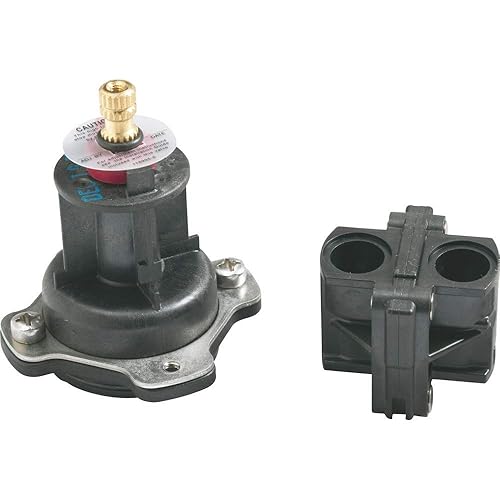
Pull out the cartridge and examine it. Look for mineral buildup, cracks in the plastic body, torn O-rings, and worn rubber seals. If the cartridge moves stiffly or the water temperature changes unexpectedly, it likely needs replacement. On compression valves, check the stem washers and valve seats for flattening, grit, or pitting.
Replacing Common Kohler Bath Faucet Parts
Replacing the cartridge
Match the new cartridge exactly to the model. Kohler cartridges are often marked with a part number and an arrow or hot and cold indicator. Install the cartridge with the orientation indicated by the manufacturer, usually with the hot side aligned to the correct port. Lubricate the O-rings lightly with silicone plumber’s grease, then press the cartridge fully into the valve body until it seats. Reinstall the retaining clip or nut.
Replacing the valve seats and stems
On compression-style valves, unscrew each stem using a wrench or stem socket. Replace the stem washer and O-ring, and swap out the valve seat if it is corroded or pitted. A seat wrench can remove and install seats without damaging the valve body. Apply a small amount of grease before reassembly so the stem turns smoothly.
Replacing the handle and set screw
Handles wear out over time, particularly the plastic inserts and the internal splines that engage the stem. If the handle slips or spins without turning the valve, replace the handle or the stem adapter. Tighten the set screw firmly, but not so tight that you strip the threads.
Reassembly and Testing
Reverse the disassembly steps carefully. Make sure the escutcheon sits flush against the wall, the handle is oriented correctly, and the retaining nut is snug but not over-tightened. Turn the water back on slowly, and open the faucet to flush debris from the lines. Check for leaks at the valve body, the handle connection, and the spout. Test both hot and cold, and confirm that the temperature changes smoothly across the full range of motion.
Common Mistakes to Avoid
- Ordering parts without the model number. Similar-looking cartridges from different series often do not fit.
- Reversing the cartridge. This can cause hot and cold to run backward, which is a safety concern. Double-check the orientation before reassembly.
- Overtightening the set screw or retaining nut. This can crack plastic components or strip threads.
- Skipping the grease. Dry O-rings wear faster and can make handles stiff.
- Scratching the finish. Use a rag between the wrench and the chrome, and avoid metal pry tools on visible surfaces.
- Forgetting to test before closing the wall. Confirm there are no leaks before replacing any access panel.
Tips for Longer Life
- Clean aerators and any screens in the spout regularly, especially if your water is hard.
- Wipe the faucet dry after use to reduce mineral deposits.
- Keep a spare cartridge on hand once you know your model, so a leak does not leave you without a working tub.
- Store the model number and a photo of the valve assembly with your home records.
Recommended gear
A few supplies make Kohler faucet repairs noticeably easier. Silicone-based plumber’s grease is safe on the rubber and plastic components found in most Kohler valves, and a dedicated seat wrench prevents damage when replacing compression seats. A nylon-tipped pry tool helps remove handle caps and trim without marring chrome, and a set of hex keys in metric sizes covers the set screws you are likely to encounter.
- Silicone plumber’s grease for O-rings and cartridge seals View on Amazon
- Faucet seat wrench for removing and installing compression valve seats View on Amazon
- Nylon pry tool set for removing handle caps and trim without scratching View on Amazon
- Metric hex key set for handle set screws View on Amazon
If you are working with a different Kohler faucet style, you may find related guidance useful. For example, Kohler Artifacts Bathtub Faucet: Identify, Repair and Maintain It (Step-by-Step) covers that specific line in more detail, and Kohler Purist Lav Faucet: Install, Adjust and Fix It Step by Step addresses a common lavatory model. For general leak diagnosis across brands, Repair Delta Tub Faucet: 7 Best Kits and Parts Compared (2026) shows how cartridge and stem repairs are approached on another popular tub faucet, and Moen Bathtub Faucet Parts: Identify, Source and Replace the Right Ones offers a useful comparison of how parts are identified across brands.
FAQ
How do I find the correct Kohler bath faucet part?
Locate the model number on the faucet body, escutcheon, or valve housing, then match it to the part number on the replacement. Confirm the series name as well, since parts are often grouped by series.
Can I replace a Kohler cartridge without removing the whole faucet?
In most tub and shower installations, yes. You typically remove the handle, trim, and retaining nut, then pull the cartridge out of the valve body without disturbing the wall piping.
Why does my Kohler tub faucet drip even after I replaced the cartridge?
The cartridge may not be seated fully, or the orientation may be wrong. Check for debris in the valve body, confirm the O-rings are lubricated and undamaged, and verify that the retaining clip is locked in place.
How do I know if the problem is the cartridge or the valve seat?
A dripping spout with a stiff or sticky handle often points to the cartridge. On compression valves, a drip that persists when the handle is fully closed usually indicates a worn seat or stem washer.
Do I need to shut off the main water supply?
Shutting off the local valves under the tub or at a nearby access panel is usually enough. If those valves are missing or leaking, shut off the main supply for your home.
Is it safe to do this repair myself?
Many homeowners complete cartridge and handle repairs with basic tools. If you find corroded supply lines, damaged plumbing behind the wall, or you are unsure about the valve type, consult a licensed plumber before proceeding.
What should I do if the water temperature changes suddenly while showering?
This can indicate a failing pressure-balance cartridge or a valve that is not balancing properly. Stop using the shower and replace the cartridge or consult a plumber, since sudden temperature shifts can scald.
How often should I replace Kohler faucet parts?
There is no fixed schedule. Replace parts when you notice drips, stiff handles, temperature inconsistency, or visible wear, and keep a spare cartridge once you know your model.
Conclusion
Kohler bath faucet parts are straightforward to replace once you identify your model, confirm which component has failed, and match the correct part. Shut off the water, remove the handle and trim, inspect the valve, and replace only what is worn. Lubricate the seals, reassemble carefully, and test before closing the wall.
Related reading
Ready to choose one?
About Caleb Morgan
Caleb Morgan is part of our editorial team and reviews and edits our kitchen faucets & sinks guides, checking product details against manufacturer specifications and owner feedback.