 By Caleb Morgan
Updated November 2026
Replacing a Delta faucet means disconnecting the old fixture, mounting the new one on the same sink holes and reconnecting the water supply. Most homeowners can finish a standard kitchen swap in one to three hours with basic hand tools. The key is confirming your sink hole setup before you buy and shutting off the water before you start.
Check Your Sink and Faucet Setup First
Before you remove anything, count the holes in your sink deck. A single-hole sink takes a single-handle faucet, while three-hole sinks usually take a widespread or centerset model. Delta’s replacement models are listed by hole configuration, so match that spec to your existing sink. Also check whether the new faucet ships with a deck plate or mounting hardware, since older sinks may need one. If you are unsure which model you have, the Old Delta Faucet Parts Catalog: How to Find the Right Diagram guide explains how to identify it from the model number.
Shopping for one? See our guide: 6 Best Delta Faucet Replacement Parts (2026): Expert Picks.
Shut Off the Water and Remove the Old Faucet
Turn off the shutoff valves under the sink, then open the faucet to drain remaining water. Work through these steps:
- Place a towel or bucket under the valves to catch drips.
- Disconnect the supply lines with an adjustable wrench, holding the valve steady so it does not turn.
- Remove the mounting nuts from below the sink. A basin wrench reaches them easily.
- Lift the old faucet out and clean the deck around the holes with a plastic scraper.
If your faucet has a stubborn handle or cartridge, the Removing a Delta Kitchen Faucet: A Step-by-Step Guide (2026) article covers the tricky disassembly steps in more detail.
Install the New Delta Faucet
Set any gasket or deck plate onto the sink, then feed the new faucet through the holes. Tighten the mounting nut or bracket from underneath until the faucet sits firm, but avoid overtightening, which can crack the sink or distort the base. Before connecting supply lines, check that the faucet is level and that the spout points where you want it.
Connect the Supply Lines
Attach the hot and cold lines to the matching shutoff valves. Hand-tighten the nuts first, then add a quarter turn with a wrench. Use new supply lines if the old ones are cracked or more than a few years old. Manufacturers generally recommend tightening compression fittings snugly rather than forcing them, since overtightening can damage the ferrule.
Test for Leaks and Adjust
Turn the shutoff valves back on slowly, one at a time, to avoid a sudden pressure surge. Run the faucet on hot and cold, then check every connection under the sink for drips. Let the water run for two or three minutes, and then look at the aerator to confirm steady flow. If you spot a slow leak at a supply nut, tighten it another eighth of a turn. Leaks that persist after several attempts often point to a damaged washer or a mismatched fitting.
Common Mistakes to Avoid
- Skipping the shutoff step, which leads to a messy spray of water.
- Buying a faucet whose hole configuration does not match the sink.
- Overtightening the mounting nuts, which can crack a porcelain or composite sink.
- Reusing old, brittle supply lines.
- Forgetting to flush debris from the new supply lines before connecting them.
Recommended Gear
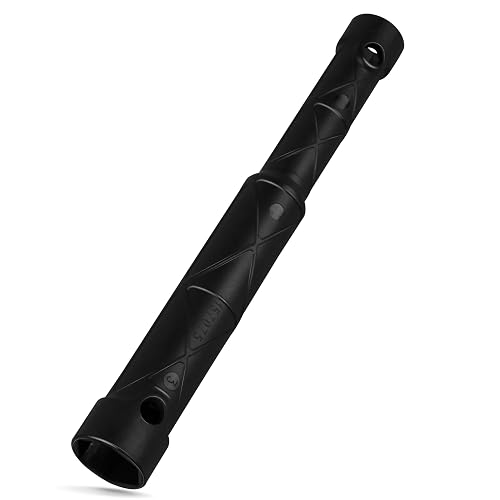
- A basin wrench helps you reach and tighten mounting nuts in tight space under the sink, where a standard wrench cannot fit. View on Amazon
- Braided stainless steel supply lines are a common upgrade for replacement installs and tend to resist cracking better than older rubber lines. View on Amazon
- A plastic putty knife or scraper removes old sealant and mineral residue from the sink deck without scratching the surface. View on Amazon
FAQ
Can I replace a Delta faucet without a plumber?
Yes, most homeowners can handle a standard kitchen swap with basic hand tools. If your shutoff valves are corroded or the sink is damaged, consult a licensed plumber before proceeding.
How long does replacing a Delta faucet take?
A typical installation takes one to three hours, depending on your experience and how stubborn the old hardware is. Allow extra time if you need to replace supply lines or the deck plate.
Do I need to replace the supply lines when I replace the faucet?
It is a good idea if the old lines are more than a few years old or show cracks, bulges or corrosion. Replacing them during the swap avoids a future leak under the sink.
Conclusion
Replacing a Delta faucet comes down to matching the sink holes, shutting off the water and carefully reconnecting the supply lines. Work slowly, test for leaks before walking away and keep the old parts until the new faucet runs cleanly. With the right prep, the job is well within reach for most DIY homeowners.
Related reading
- Replacing a Delta Faucet Stem: Step-by-Step Fix for Drips (2026)
- Replacing a Delta Faucet Cartridge: A Step-by-Step Guide (2026)
- Troubleshoot Delta Touch Faucet: A Practical Guide (2026)
- Trinsic Delta Kitchen Faucet Review: Features and Performance
Ready to choose one?
About Caleb Morgan
Caleb Morgan is part of our editorial team and reviews and edits our kitchen faucets & sinks guides, checking product details against manufacturer specifications and owner feedback.