 By Caleb Morgan
Updated November 2026
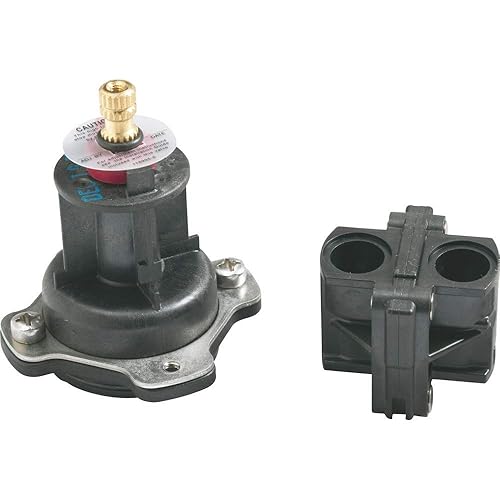
Bathtub faucet repair parts are the cartridges, stems, washers, O-rings, seats and springs that control water flow and keep a tub spout or diverter from leaking. To get the right ones, you need to identify your faucet type, shut off the water, remove the worn component and match its dimensions and brand before you buy. Most drips and low-flow problems come down to one or two of these parts.
Identify Your Faucet Type First
Bathtub faucets come in a few main designs, and each uses different internal parts. A compression faucet has separate hot and cold stems with rubber washers that press against a valve seat. A cartridge faucet uses a single cylindrical unit that controls both temperature and flow. Ball faucets and ceramic disc faucets are less common in older homes but follow the same logic: find the moving part that regulates water and replace that, not the whole fixture.
Shopping for one? See our guide: 7 Best Bathtub Faucet Drip Repair Kits and Parts (2026).
Look at the handle. Two separate handles usually mean compression or two-valve cartridge designs. A single lever or knob usually points to a single-handle cartridge or ball design. Brand matters too. Delta, Moen, Kohler and Pfister each use proprietary cartridges and stems, so a part that fits one brand often will not fit another. Kohler Bathtub Faucet Parts Diagram: How to Find and Use Yours shows how to read a manufacturer diagram once you know the brand.
Gather the Right Information Before You Buy
Ordering by guesswork wastes time. Record these details before you shop:
- Brand name, usually stamped on the handle, escutcheon or inside the valve body
- Model number or series, often printed on the faucet body or in the original packaging
- Faucet type: compression, cartridge, ball or ceramic disc
- Cartridge or stem dimensions, measured with calipers if you have them
- Number of handles and whether the valve is a single or two-valve setup
Bring the old part to the store or photograph it next to a ruler. Many manufacturers list the exact replacement by part number, so check their parts lookup before you order.
Replace the Most Common Worn Parts
Most leaks trace back to a short list of components. Work through them in this order:
- Shut off the water supply to the tub, or the main if you cannot isolate it. Open the faucet to drain remaining pressure.
- Remove the handle screw, handle and any trim or escutcheon. Keep the screws in a dish so they do not disappear.
- Pull out the cartridge or stem. Compression stems often need a stem wrench, and some cartridges require a retaining clip removed with pliers.
- Inspect the rubber washers, O-rings and seats for cracks, flattening, mineral crust or grit. Replace any that look damaged, even if the stem itself seems fine.
- Install the new part, reassemble in reverse order and turn the water back on slowly while watching for leaks.
On a cartridge faucet, replacing the cartridge alone usually solves both drips and temperature control problems. On a compression faucet, replacing the washers and the seat is often cheaper in time than replacing the whole stem, but a corroded seat may need a seat wrench or a new valve. For a detailed walkthrough, see How to Repair a Bathtub Faucet: A Step-by-Step Guide for Stopping Drips.
Diverter and Spout Parts
If water leaks from the spout while the shower is running, the diverter is usually the problem. Diverter valves use a small internal stem, gasket or cartridge that can wear out separately from the faucet valves. Replacing a diverter is often a simpler job than replacing the tub valve, but the same identification rules apply. Moen Bathtub Faucet Replacement Parts: 4 Best Picks Compared (2026) covers how to match diverter parts to a specific Moen model.
Common Mistakes
- Buying a part by appearance alone. Similar-looking cartridges can differ by a few millimeters.
- Forgetting to shut off the water, which leads to spray and a wet bathroom floor.
- Overtightening handle screws or stem nuts, which can crack plastic components.
- Reusing old washers or O-rings. They are inexpensive and usually the real cause of the leak.
- Ignoring hard water buildup. Clean the valve body and seat before installing new parts, or the new seals will fail quickly.
Recommended Gear
- Faucet cartridge puller: Helps remove stuck cartridges without damaging the valve body. View on Amazon
- Plumber’s silicone grease: Lubricates O-rings and seals so they seat properly and last longer. View on Amazon
- Faucet repair kit for your brand: Bundles common washers, O-rings and seats for a specific faucet family, reducing the chance of a mismatch. View on Amazon
FAQ
How do I know which bathtub faucet repair parts I need?
Identify the brand, faucet type and model first, then inspect the worn component. Replacing the cartridge, stem, washers or O-rings that match the leak location is usually enough.
Can I use universal bathtub faucet repair parts?
Universal kits can work on some older compression faucets, but cartridges and stems are generally brand-specific. Matching the exact model or part number gives the most reliable fit.
When should I call a plumber?
If the valve body is corroded, cracked or stuck, or if you find water inside the wall, stop and consult a licensed plumber. Pressure problems and hidden leaks can cause costly damage if handled incorrectly.
Conclusion
Bathtub faucet repair parts are easiest to choose once you know your faucet type and brand. Shut off the water, inspect the cartridge, stem or washers, and replace whatever shows wear. A careful match and a clean valve body will keep the repair from coming back.
Related reading
- 7 Best Repair Delta Bathtub Faucet Parts and Kits for Leaks (2026)
- 4 Best Kohler Bathtub Faucet Parts for Leaks and Repairs (2026)
- Repair Exterior Faucet Leak: 6 Best Kits and Parts Compared (2026)
Ready to choose one?
About Caleb Morgan
Caleb Morgan is part of our editorial team and reviews and edits our kitchen faucets & sinks guides, checking product details against manufacturer specifications and owner feedback.