 By Miles Sinclair
Updated November 2026
Learning how to replace faucet kitchen fixtures is a manageable weekend project for most homeowners. In this guide, you will shut off the water, remove the old faucet, install the new one and test for leaks. Most standard single-hole or three-hole installations take between one and three hours, depending on how tight the space under the sink is.
Before You Start: Gather Tools and Check Your Sink
Before you remove anything, confirm what you are working with. Look at the number of holes in your sink deck, since a single-hole faucet, a three-hole faucet and a faucet with a separate sprayer each require a different setup. Measure the center-to-center distance between holes if you plan to buy a new faucet with a matching spread.
Shopping for one? See our guide: 6 Best Prices to Replace Kitchen Faucet (2026): Our Picks.
You will need these tools:
- Adjustable wrench and basin wrench
- Plumber’s putty or silicone sealant
- Flashlight and bucket or towels
- Replacement supply lines (braided stainless steel is common)
- Penetrating oil for stubborn nuts
Step-by-Step: Removing the Old Kitchen Faucet
Shut off the water and drain the lines
Turn off the two angle stop valves under the sink by turning them clockwise. Then open the faucet to release pressure and let any remaining water drain into a bucket.
Disconnect the supply lines and mounting nuts
Place a bucket under the connections, then unscrew the supply lines from the shutoff valves. Next, reach under the sink with a basin wrench to loosen the mounting nuts that hold the faucet to the sink deck. If a nut will not budge, apply penetrating oil and wait about 15 minutes before trying again.
Lift out the old faucet and clean the deck
Lift the faucet straight up and out. Scrape off old putty or caulk and wipe the sink surface clean and dry so the new gasket or sealant bonds properly.
Installing the New Faucet
Follow the instructions included with your new faucet, because mounting details vary by brand. Most kitchen faucets require you to feed the supply lines and any sprayer hose through the deck holes before setting the base in place. Apply a thin bead of plumber’s putty or silicone under the base if the manufacturer recommends it, then tighten the mounting nuts evenly from underneath.
Connect the supply lines to the shutoff valves, hand-tightening first and then giving each connection a quarter turn with a wrench. Avoid overtightening plastic components, since cracked fittings are a common source of future leaks.
Testing and Finishing the Installation
Open the shutoff valves slowly, then run the hot and cold water separately for about a minute each. Check every connection under the sink with a dry paper towel. Once you confirm there are no drips, wipe the faucet and sink and check that the spray and handle operate smoothly.
Common mistakes to avoid
- Opening the shutoff valves fast, which can loosen connections or cause a surge.
- Mixing up hot and cold lines. The hot line usually sits on the left.
- Skipping the flush step, which can leave debris in the aerator.
- Forgetting to tighten the mounting nuts evenly, which can cause the faucet to rock.
- Using too much sealant, which can squeeze out and clog the spray head.
Recommended Gear
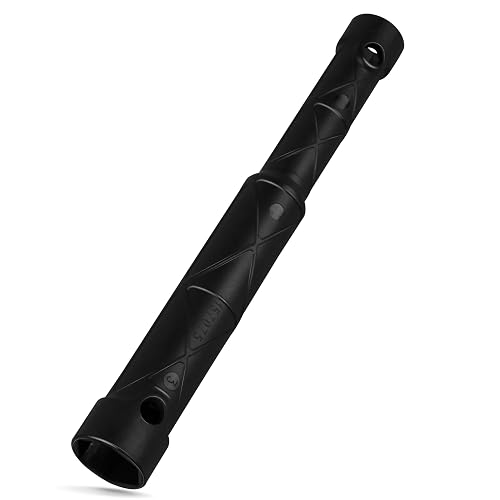
- Basin wrench: Reaches the mounting nuts in tight spaces under the sink, which is hard to do with a standard wrench. View on Amazon
- Braided stainless steel supply lines: Sturdier than plastic and easy to fit to standard shutoff valves. View on Amazon
- Plumber’s putty: Seals the base of the faucet to the sink deck and is easy to remove later. View on Amazon
FAQ
Do I need a plumber to replace a kitchen faucet?
Many homeowners complete this job themselves, especially with basic tools and a clear view under the sink. If your shutoff valves are corroded or your sink has an unusual layout, a licensed plumber can help. Consult a professional if you are unsure about water connections.
How long does a kitchen faucet replacement take?
Most people finish in one to three hours. Stubborn mounting nuts or an older sink with limited access can add time.
What if my shutoff valves do not close fully?
If the valves are stuck or leak when closed, shut off the main water supply to the house before you begin. Replacing a failing valve is a separate job that may require a professional.
Conclusion
Knowing how to replace faucet kitchen fixtures comes down to preparation: shut off the water, label your lines and mount the new faucet carefully. Test every connection before you call the job finished. With patience and the right tools, you can complete the replacement in a single afternoon.
Related reading
- Kohler Kitchen Faucet Parts: How to Identify and Replace the Right Ones
- How to Replace a Delta Kitchen Faucet Cartridge in 6 Steps (2026)
- Replace Kitchen Faucet Cartridge: Step-by-Step Repair Guide
- Pull-Down Kitchen Faucets: How They Work and What to Check
- Moen Kitchen Faucet Parts Diagram: How to Find and Use Yours
Ready to choose one?
About Miles Sinclair
Miles Sinclair is part of our editorial team and reviews and edits our kitchen faucets & sinks guides, checking product details against manufacturer specifications and owner feedback.