 By Miles Sinclair
Updated November 2026
The cost of replacing a kitchen faucet depends mostly on three things: whether you do the work yourself, how much the existing plumbing needs, and which type of faucet you install. This guide walks through each of those factors so you can estimate the job before you start shopping or calling a plumber.
Start With the Faucet Type and Its Hole Setup
The faucet itself is only part of the bill. A single-hole faucet fits a sink with one opening, while a two-handle or widespread model needs three or four holes. If your sink has fewer holes than the new faucet requires, you will need a deck plate or a sink modification, which adds parts and labor. Measure before you buy; the guide on Measuring for a New Kitchen Faucet: Holes, Clearance, Fit explains how to check hole spacing and clearance.
Shopping for one? See our guide: 7 Best Delta Kitchen Faucet Parts (2026): Repair-Ready Picks.
Features also shift the total. Pull-down and pull-out spray heads usually need a little more hose routing, and a touchless model adds a power source that may require a nearby outlet or battery change schedule. Our overviews of Pull-Down Kitchen Faucets: How They Work and What to Check and Touchless Kitchen Faucets: Sensors, Power and Safety cover what those extra parts involve.
Compare DIY Labor Against a Plumber
Labor is usually the largest variable. A straightforward swap on a standard sink, with working shutoff valves and no corrosion, is a manageable weekend task for a homeowner with basic tools. A plumber will often charge a flat service fee or an hourly rate, and jobs with stuck nuts, failed supply lines, or a sink that needs resealing take longer. Ask for an itemized estimate that lists the faucet, supply lines, and any disposal of the old unit separately.
If you go the DIY route, expect to spend extra time on the old parts. Corroded mounting nuts under the sink are the most common reason a simple swap turns into a half-day project.
Plan for Plumbing Repairs and Extra Parts
Most replacement budgets go over because of parts that were never part of the original plan. Check these before you begin:
- Shutoff valves that do not close fully or leak when turned
- Braided supply lines that are old or cracked
- A deck plate or mounting hardware for a hole count mismatch
- A new drain assembly if the old one is corroded or leaking
- Sealant or plumber’s putty for the sink rim
Replacing shutoff valves and supply lines is inexpensive compared with labor, so do it while the sink is already open. If the sink itself is damaged or the countertop needs cutting, the job grows well beyond a faucet swap.
Build a Simple Cost Checklist
Use this checklist to build your own estimate before you commit to a plan:
- Count the holes in your sink and confirm the new faucet’s hole requirement.
- Inspect the shutoff valves and supply lines; list any that need replacement.
- Choose DIY or professional installation and note the labor approach.
- Add drain parts, sealant, and any deck plate needed.
- Set aside a 10 to 15 percent buffer for surprises such as seized nuts or corroded fittings.
| Cost Factor | What Changes the Total |
|---|---|
| Faucet type | Single-hole versus widespread; spray style; touchless features |
| Sink holes | Mismatch may require a deck plate or sink work |
| Labor | DIY time versus a plumber’s service fee and hours |
| Supporting parts | Supply lines, valves, drain assembly, sealant |
| Unexpected repairs | Seized nuts, corrosion, leaks in older plumbing |
Common Mistakes
- Buying the faucet before measuring the sink holes and deck clearance.
- Skipping the shutoff valve check, then discovering a leak after installation.
- Forgetting the supply lines and drain parts when comparing options.
- Underestimating removal time for an old faucet with corroded hardware.
- Choosing a finish that clashes with other fixtures; see Matte Black Kitchen Faucets: Finish Types and Care for finish considerations.
Recommended Gear
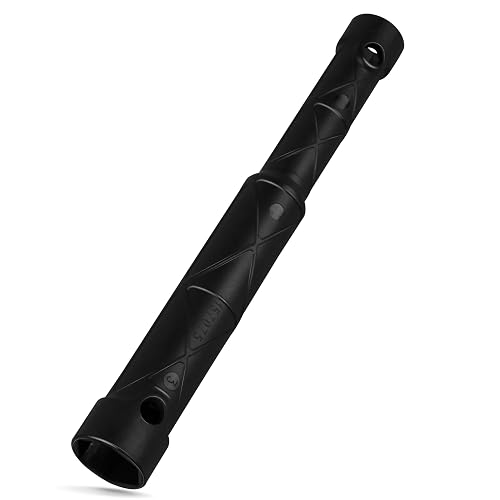
A basic set of tools makes the swap far easier. A basin wrench reaches the mounting nuts tucked under the sink, which is often the hardest part of the job.
Braided stainless supply lines are a simple upgrade that replaces older rubber hoses during the same job. View on Amazon
Plumber’s putty or a silicone sealant seals the base of the faucet against the sink surface, preventing leaks at the deck. View on Amazon
FAQ
Is replacing a kitchen faucet a job most homeowners can handle?
Many homeowners can replace a standard faucet with basic tools if the shutoff valves work and the sink has matching holes. Corroded hardware or failing plumbing is the usual reason to call a professional.
Why does the total cost of replacing a kitchen faucet vary so much?
The faucet type, the number of sink holes, the condition of the shutoff valves and supply lines, and whether you hire labor all change the total. Two jobs with the same faucet can end up very different.
Should I replace the supply lines when I replace the faucet?
Yes, in most cases. Old supply lines are inexpensive to replace and are easiest to change while the sink area is already open.
Conclusion
The cost of replacing a kitchen faucet comes down to the faucet type, the sink’s hole setup, labor, and any plumbing repairs that surface during the job. Measure first, inspect the valves and lines, and leave a buffer for surprises. With that plan, you can compare quotes or tackle the swap yourself with fewer surprises.
Related reading
- Water-Efficient Kitchen Faucets: Flow Rates and Leaks
- Wall-Mount Kitchen Faucets: What to Know Before You Choose
Ready to choose one?
About Miles Sinclair
Miles Sinclair is part of our editorial team and reviews and edits our kitchen faucets & sinks guides, checking product details against manufacturer specifications and owner feedback.