 By Miles Sinclair
Updated November 2026
Removing a kitchen faucet is a manageable job for most homeowners with basic hand tools. In this guide, you will shut off the water, disconnect the supply lines, release the mounting hardware and lift the old faucet out cleanly. Plan on an hour or two, depending on how stubborn the old nuts are.
Before You Start: Shut Off the Water and Gather Tools
Turn off the water at the shutoff valves under the sink, usually two small angle stops, one for hot and one for cold. If the valves are stiff or do not close fully, shut off the main water supply to the house instead. Then open the faucet to relieve pressure and let any remaining water drain.
Shopping for one? See our guide: 7 Best Delta Kitchen Faucet Parts (2026): Repair-Ready Picks.
Place a bucket and towels under the sink, since a few ounces of water will spill from the lines when you disconnect them.
- Adjustable wrench or basin wrench
- Bucket and old towels
- Flashlight or headlamp
- Penetrating oil for corroded nuts
- Plumber’s putty or a fresh gasket for the new faucet
Disconnect the Supply Lines and Drain Hose
Start by unscrewing the flexible supply lines from the shutoff valves. Use the wrench to hold the valve steady while you turn the nut on the supply line, so you do not twist the pipe or damage the valve.
If your faucet has a spray hose or a pull-down head, detach it from the base. Some models use a quick-connect fitting, while others have a retaining clip under the sink that needs to be pried loose. If you are working with a pull-down design, check how the hose weight and counterweight are housed before you pull, and see Pull-Down Kitchen Faucets: How They Work and What to Check for details on what to look for.
Loosen and Remove the Mounting Nuts
Most faucets are held to the sink deck by a threaded shank and a mounting nut underneath. Reach up with a basin wrench, which grips in tight spaces, and turn the nut counterclockwise. If the nut will not budge, spray penetrating oil on the threads, wait 10 to 15 minutes and try again.
Some faucets, especially those with a plastic mounting base, use a retaining plate or two nuts on separate studs. Remove all hardware before trying to lift the faucet, and keep the nuts and washers in order so you can reuse or match them later.
Lift the Faucet Out
Once the hardware is off, lift the faucet straight up from the sink deck. Work it gently side to side if old sealant or putty is holding it. Do not pry against the sink surface, since porcelain and stainless steel can chip or scratch.
Clean the Sink Deck and Check the Mounting Holes
Scrape away old plumber’s putty or silicone with a plastic putty knife. Wipe the area clean and check that the holes are free of debris. Measure the hole diameter and spacing if you plan to install a different faucet, since many single-hole and three-hole setups are not interchangeable. The manufacturer’s specification sheet will list the required hole size.
Common Mistakes to Avoid
- Forgetting to shut off the water, which leads to a soaked cabinet floor.
- Using excessive force on corroded nuts, which can crack the shank or damage the sink.
- Reusing old supply lines that show cracking, bulging or mineral buildup.
- Losing track of small clips or washers, which can stall the reinstallation.
- Skipping a photo of the setup before disconnecting, which makes reassembly harder.
Recommended Gear
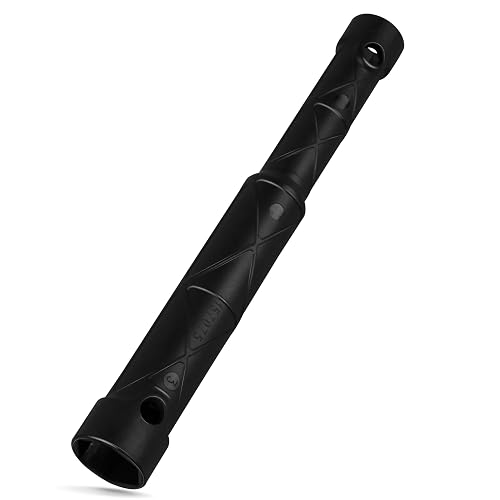
A basin wrench reaches the mounting nuts in tight cabinet space where a standard wrench cannot. View on Amazon
Penetrating oil loosens seized threads without forcing them. View on Amazon
FAQ
Do I need to turn off the main water supply?
Usually no, if the shutoff valves under the sink work properly. If they are stiff, leaking or missing, shut off the main supply to avoid flooding.
What if the mounting nut is rusted solid?
Apply penetrating oil, wait at least 15 minutes and try again with a basin wrench. If it still will not move, a plumber can cut or remove it safely.
Can I remove the faucet without taking apart the sink?
Yes, in nearly every case. You only need access to the underside of the sink deck, not to remove the sink itself.
Conclusion
With the water off and the supply lines and mounting hardware removed, the old faucet should lift out cleanly. Take your time, keep the parts organized and clean the deck before installing anything new. Consult a licensed plumber if you encounter leaks, damaged valves or corrosion you cannot safely address.
Related reading
- Moen Kitchen Faucet Parts Diagram: How to Find and Use Yours
- Moen Kitchen Faucet Dripping: 6 Causes and How to Fix Each One
- Kohler Kitchen Faucet Parts: How to Identify and Replace the Right Ones
- Kitchen Sink Faucet Grohe: Models, Finishes and How to Choose (2026)
Ready to choose one?
About Miles Sinclair
Miles Sinclair is part of our editorial team and reviews and edits our kitchen faucets & sinks guides, checking product details against manufacturer specifications and owner feedback.